
When it comes to slate roof repair and replacement, it’s understood that proper maintenance is essential for longevity. Slate roofs are incredibly durable, often lasting over 100 years, but they can suffer from cracked or broken slates and moisture damage. Regular inspections help us spot issues early. If we find significant damage, we might face repair or replacement costs. It’s important to choose experienced contractors for the job, ensuring quality work. By following maintenance tips and being proactive about repairs, we can extend our roof’s lifespan. There’s much more to uncover about slate roofs if we explore further.
Key Takeaways
- Slate roofs offer durability and aesthetic appeal, lasting over 100 years with proper maintenance, making them a valuable investment.
- Common issues include cracked slates and moisture damage, requiring timely repairs to prevent extensive water damage.
- Regular inspections help identify damage early, ensuring efficient repairs and maintaining roof integrity.
- Professional contractors should be chosen based on experience with slate roofing and positive customer reviews for quality assurance.
Understanding Slate Roofs
Slate roofs, known for their durability and timeless beauty, provide excellent protection against the elements while enhancing our home’s aesthetic appeal. We can trace the slate roof history back to ancient times when it was first utilized in Europe. The longevity of slate as a roofing material has made it a popular choice for centuries, and its appeal continues today.
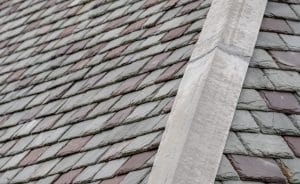
When we think about slate roofing materials, we realize they come in various colors, sizes, and textures, allowing us to customize our roofs to fit our personal style and the architecture of our homes. The natural stone is not only aesthetically pleasing but also highly resistant to fire, water, and extreme weather conditions.
We should also consider that slate is a sustainable option, as it’s a natural product that can last well over a century when properly maintained. Using slate roofing materials represents a commitment to quality and craftsmanship, making it a wise investment for homeowners. By understanding the history and benefits of slate roofs, we can appreciate why they remain a favored choice in roofing solutions today.
Common Slate Roof Problems
When we think about slate roofs, we often encounter a few common issues that can arise over time. Cracked or broken slates, moisture damage, and problems from improper installation are all things we should watch for. By understanding these potential pitfalls, we can better maintain our roofs and protect our homes.
Cracked or Broken Slates
Cracked or broken slates can lead to significant issues for our roofs, allowing water to penetrate and cause further damage. We understand that maintaining the integrity of our slate roofs is essential, as slate durability is one of its standout features. Nevertheless, even the most durable materials can suffer from wear and tear over time.
When we notice cracked or broken slates, it’s imperative to act quickly. We can utilize various repair techniques to address these problems effectively. For minor cracks, a simple sealant can often do the trick, preventing water from seeping in. If a slate is broken beyond repair, we’ll need to replace it with a new piece that matches the existing roof.
It’s important to confirm that we use slates of the same type and color for a seamless look. In some cases, we might consider hiring a professional who specializes in slate repairs, as they can provide expertise and guarantee the work is done properly. By staying vigilant and addressing cracked or broken slates promptly, we can maintain the beauty and functionality of our roofs for years to come.
Moisture Damage Issues
Moisture damage can wreak havoc on our roofs, leading to costly repairs and potential structural issues over time. One of the most common problems we face is moisture penetration, which occurs when water seeps through cracks or gaps in the slate. This can be exacerbated by poor drainage, causing water accumulation on the roof surface. Over time, the persistent presence of moisture can weaken the integrity of the slate, leading to further cracks and even slippage.
We should also be vigilant about the effects of trapped moisture beneath the slate. When water accumulates, it can create an ideal environment for mold and mildew growth, which can spread rapidly and cause health hazards. Moreover, the freeze-thaw cycle can have a devastating effect on our roofs; as water seeps into cracks and freezes, it expands, causing the slate to break apart.
To mitigate these issues, regular inspections and maintenance are essential. By addressing moisture penetration early on, we can prevent extensive water damage and prolong the lifespan of our slate roofs. It’s imperative to stay proactive in protecting our investment and ensuring our homes remain safe and dry.
Improper Installation Problems
Recognizing improper installation problems is essential for maintaining the integrity and longevity of our slate roofs. We often overlook how critical proper installation techniques are, leading to common mistakes that can compromise our roofs. One of the main issues we encounter is inadequate underlayment. Without a robust underlayment, our slate roofs are at risk of moisture infiltration, which can cause extensive damage over time.
Another frequent mistake is improper nailing of the slates. If slates aren’t nailed correctly, they can shift or become loose, exposing our homes to leaks and further structural issues. We must also be cautious of using the wrong slate size, as this can disrupt the roof’s drainage and lead to water pooling.
Additionally, improper flashing installation can lead to significant vulnerabilities at joints and valleys. We should always verify flashing is installed according to best practices to prevent water intrusion. By being aware of these improper installation problems and addressing them promptly, we can protect our slate roofs from unnecessary repair costs and extend their lifespan. Let’s commit to verifying our roofs are installed correctly and maintained effectively!
Signs You Need Repairs
When we look at our slate roofs, we should keep an eye out for cracked or missing slates. These issues can lead to water leaks inside our homes, causing further damage if not addressed promptly. Let’s explore the signs that indicate it’s time for repairs.
Cracked or Missing Slates
Cracked or missing slates can lead to significant damage, so we should inspect our roofs regularly for these warning signs. When we notice any slates that are broken or absent, it’s vital to address the issue promptly. These cracks not only affect the aesthetic appeal of our roofs but can also compromise their integrity.
We might find various slate color variations on our roofs, which can make it challenging to identify damage. That’s why a close inspection is necessary. If we see any slates that appear uneven or discolored, it could signal deterioration. It’s important to remember that slate preservation techniques can help prolong the life of our roofs, but they won’t be effective if we ignore damaged slates.
When we spot cracked or missing slates, we should consider replacing them with matching slates to maintain a uniform look. We can consult with professionals who specialize in slate roofing to guarantee that any repairs or replacements are done correctly. By being proactive about cracked or missing slates, we can safeguard our homes against potential issues down the line. Regular maintenance is key to preserving our slate roofs for years to come.
Water Leaks Inside Home
Noticing water leaks inside our home can be a clear indication that we need to address our slate roof’s condition. Ignoring these signs can lead to significant water damage and even worsen the situation over time. We must act quickly to perform leak detection and prevent further issues.
Here are some common signs that we should pay attention to:
- Stains on ceilings or walls: Discoloration can indicate water seeping through.
- Mold or mildew: These can thrive in damp conditions, often pointing to roof leaks.
- Dripping sounds: If we hear water dripping when it’s not raining, it’s time to investigate.
The Repair Process
To effectively repair a slate roof, we must first assess the extent of the damage and identify any missing or broken slates. Once we’ve pinpointed the affected areas, we can decide on the best repair techniques to apply. For instance, if we find loose slates, we can re-secure them with appropriate fasteners. In cases where slates are cracked, we may need to replace them entirely, guaranteeing we match the color and texture for a seamless look.
Before we start any repairs, it’s essential that we take proper safety precautions. We should wear harnesses and use scaffolding or ladders that meet safety standards. Furthermore, we must confirm that the work area is clear of debris to prevent accidents while we’re on the roof.
As we proceed, it’s important to handle the slates with care to avoid causing further damage. By working methodically and keeping safety in mind, we can effectively restore the roof’s integrity and prolong its lifespan. Remember, a well-executed repair not only fixes the current issues but also enhances the overall appearance of our slate roof.
Tools and Materials Needed
Gathering the right tools and materials is vital for a successful slate roof repair or replacement. When we tackle this project, having everything we need on hand guarantees we work efficiently and effectively. Let’s take a look at some key items we should gather before starting.
- Slate tiles: Choose the right material options to match the existing roof for a seamless finish.
- Roofing hammer: This tool is essential for proper installation and repair techniques.
- Chisel: A durable chisel helps us remove damaged tiles without compromising the surrounding slate.
With these tools and materials, we’ll be well-equipped to handle any repair or replacement tasks. Familiarizing ourselves with different repair techniques and selecting suitable material options makes the job smoother and helps us achieve the best results. So, let’s get organized and prepare for a successful slate roof project!
When to Consider Replacement
Knowing when to reflect on replacement is just as important as having the right tools and materials for a slate roof project. We should regularly evaluate the condition of our slate roofs to determine if they’ve reached their lifetime expectancy. Even though slate can last over a century, factors such as severe weather, improper installation, or previous repairs can shorten this lifespan.
If we notice extensive cracking, significant wear, or missing tiles, it might be time to think about replacement. We can’t ignore the environmental considerations, either. A failing roof can lead to water damage, impacting the structural integrity of our homes and requiring additional repairs.
Moreover, if we’re constantly repairing our slate roof, we should weigh the cumulative costs against a full replacement. Investing in a new slate roof may provide better long-term value, enhancing energy efficiency and sustainability.
Ultimately, we need to be proactive in evaluating our roof’s condition and making decisions that align with both our budget and our home’s needs. By doing so, we can guarantee our slate roof continues to protect us for years to come.
Cost Factors for Repairs
Several key cost factors influence the repairs we might need for our slate roof, including the extent of damage and the type of materials used. When we evaluate repair pricing, we should keep in mind that more severe damage typically leads to higher costs. If we only have a few broken slates, our expenses will be lower than if extensive repairs are required.
Here are some key factors to evaluate:
- Extent of Damage: More considerable issues require more materials and labor.
- Type of Materials: Using premium slate can increase overall repair pricing.
- Roof Access: If our roof is steep or hard to access, labor costs may rise due to safety measures.
Choosing a Roofing Contractor
When selecting a roofing contractor for our slate roof repairs or replacement, it’s essential to prioritize experience and expertise in handling this specific material. We should look for contractors with proven contractor qualifications, as working with slate requires specialized skills. A qualified contractor will understand the nuances of slate installation, repair techniques, and the best practices to guarantee our roof is durable and visually appealing.
Next, let’s check customer reviews. These reviews provide invaluable insight into a contractor’s reliability and quality of work. We can find reviews on various platforms, but it’s wise to focus on those that highlight slate roofing projects. Positive feedback from previous clients can reassure us that we’re making the right choice.
Additionally, we should ask potential contractors for references from past slate roof projects. Speaking directly with previous clients can give us a clearer picture of what to expect.
Maintenance Tips for Longevity
Regular maintenance is essential to guaranteeing our slate roof remains in excellent condition and lasts for many years. By practicing preventive maintenance, we can catch small issues before they turn into significant problems. Here are some practical tips we can follow to keep our slate roof healthy:
- Conduct seasonal inspections: Let’s check our roof at least twice a year, ideally in spring and fall, to identify any damage or debris.
- Clear debris: We should remove leaves, branches, and dirt from our roof and gutters to prevent water buildup and potential leaks.
- Monitor for loose slates: Regularly inspect the slates for any that may be cracked or loose. If we find any, it’s best to repair or replace them promptly.
Benefits of Slate Roofing
Slate roofing offers us remarkable durability and aesthetic appeal, making it a smart choice for long-lasting protection. When we choose slate, we’re investing in a material that can last over a century with minimal maintenance. This longevity not only saves us money in the long run but also contributes to environmental sustainability, as fewer resources are needed for replacements.
Here’s a quick comparison of the benefits we gain from slate roofing:
| Benefit | Description | Impact |
|---|---|---|
| Durability | Can last 100+ years with proper care | Reduces replacement costs |
| Aesthetic Appeal | Offers unique textures and colors | Enhances home value |
| Environmental Sustainability | Made from natural materials, recyclable | Lowers carbon footprint |
Frequently Asked Questions
How Long Does a Slate Roof Typically Last?
When we consider slate roof lifespan, we find it can last over a century with proper care. By following maintenance tips, we can guarantee our roofs remain durable and beautiful for generations to come.
Can I Install a Slate Roof Myself?
They say, “Measure twice, cut once.” We can tackle slate roof installation ourselves, but we should consider the installation challenges. With proper planning and maintenance tips, we can create a lasting, beautiful roof.
Are There Eco-Friendly Options for Slate Roofing?
When exploring eco-friendly options for roofing, we can consider recycled slate and sustainable materials. These choices not only reduce waste but also provide durability and aesthetic appeal, making our roofs environmentally responsible and stylish.
What Colors and Styles Are Available for Slate Roofs?
When we consider slate roof colors and styles, we find a stunning range. From deep blacks to vibrant greens, and classic rectangular shapes to intricate patterns, each choice reflects our unique taste and enhances our home’s character.
Does Slate Roofing Increase Home Value?
We’ve noticed that slate roofing can greatly boost home value due to its durability and low maintenance costs. Potential buyers appreciate the long-lasting quality, making our properties more appealing and worth the investment.